







Search Results for: Brazilian Coffee
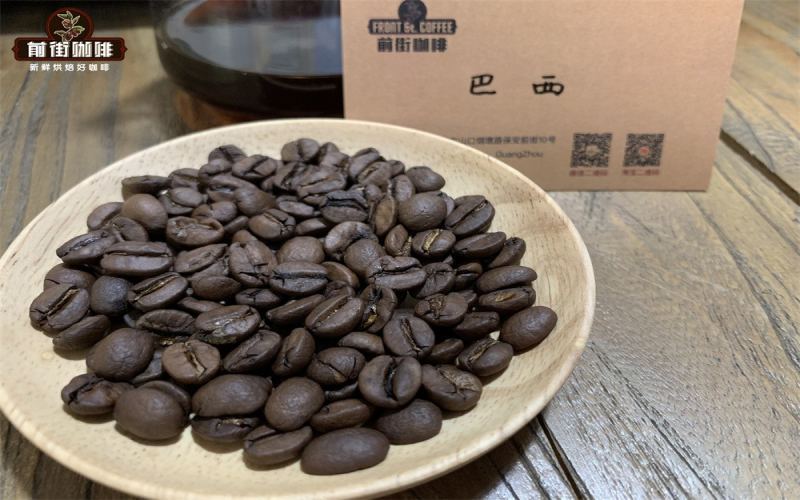
Analysis of Brazilian Coffee Bean Flavor Characteristics and the Pulped Natural Processing Method: Is Arabica Suitable for Pour-Over?
As the world's largest coffee producer, Brazil is known for its coffee beans with low acidity, nutty and chocolate flavors, and a smooth mouthfeel, making them suitable for both blends and single-origin brews. This article explores Brazil's coffee-producing regions, main varieties, and pulped natural processing method, offering an in-depth analysis of the flavor characteristics of Brazilian coffee beans and discussing whether they are suitable for pour-over coffee. It also combines Front Street Coffee's Brazilian everyday beans and Queen Coffee to provide specific brewing parameters and flavor descriptions, helping coffee enthusiasts fully appreciate the charm of Brazilian coffee. [more…]
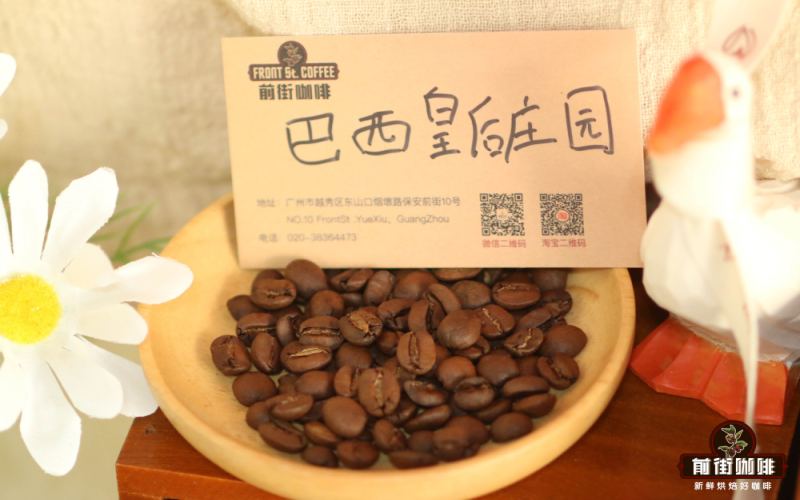
Analyzing the Flavor Characteristics of Brazilian Coffee Beans: Low Acidity, Full Body, and Nutty Notes — Are They Suitable for Espresso Blends?
Brazil is one of the world's most important Arabica coffee producers, and its coffee industry plays a pivotal role in the national economy. In recent years, it has also begun to make a name for itself in the specialty coffee sector. Brazilian specialty coffee is mainly distributed across Minas Gerais, São Paulo, Paraná, and Mogiana, with varieties dominated by Bourbon, Typica, Caturra, and Mundo Novo. Because the growing regions are at relatively low altitudes, have flat terrain, lack microclimates, and are mostly cultivated without shade, Brazilian beans generally do not possess the bright acidity and delicate flavors of other Central and South American origins. Instead, they display regional characteristics of low acidity, nutty notes, chocolate sweetness, balanced acidity and bitterness, and good body. Precisely because their flavors are not particularly prominent yet their body is excellent, Brazilian beans are widely used in espresso blends, and they can be found in almost every espresso recipe. After cupping many Brazilian beans, Front Street Coffee also listed two specialty single-origin coffees, Cerrado and Mogiana, as well as three espresso blends based mainly on Brazilian beans, to meet different needs. [more…]
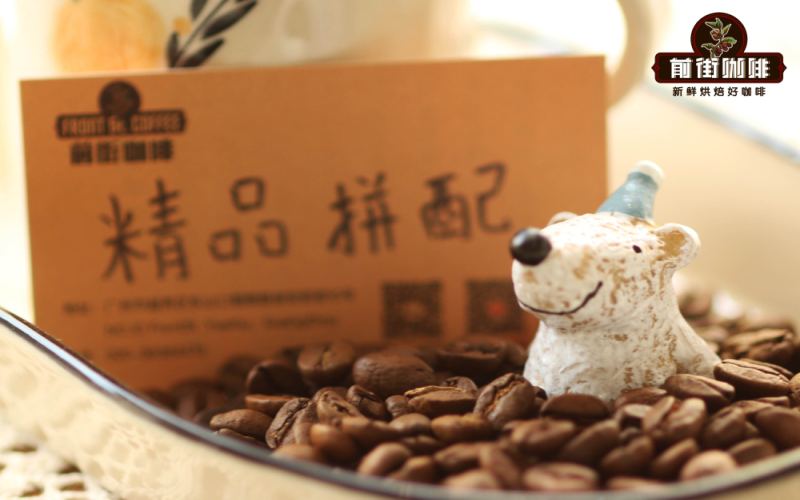
Brazilian Coffee Bean Characteristics | Why Is Brazilian Coffee Mostly Used in Espresso Blends? Which Single-Origin Brazilian Coffees with Distinct Nutty Sweetness Are Recommended?
As the largest coffee-producing country, Brazil offers a wide variety of coffees. Brazilian coffee beans have a moderate acidity, and the balance brought by their sweetness, bitterness, and body is excellent. When roasted, they give off a nutty aroma, with a mellow taste and a faint acidity, making them suitable for both single-origin and blended use. When buying Brazilian coffee beans, it is recommended to prioritize [more…]
Brazilian Coffee: The Specialty Transformation of the World's Largest Producer and an Analysis of the Smooth Taste of Blended Beans
Brazil, as the world's largest coffee producer, has a coffee history that dates back to the early 17th century. Despite leading in production, most Brazilian beans were long classified as low-quality Arabica and Robusta due to natural limitations such as low altitude, non-volcanic ash soil, and lack of shade. However, in recent years, Brazilian coffee farmers and industry associations have worked together to promote quality upgrades, allowing specialty Brazilian beans to achieve repeated success in international auction markets. Front Street Coffee's Brazilian beans, with a performance of 3 points for aroma, 3.5 points for brightness, 3.5 points for body, 4 points for flavor, and 4 points for aftertaste, showcase a smooth mouthfeel interwoven with nutty sweetness and chocolate bittersweetness. This article will provide an in-depth analysis of Brazil's three major producing regions, the trade role of the Port of Santos, and the indispensable position of Brazilian beans as a base bean in Espresso blends, helping you rediscover the specialty potential of this production giant. [more…]

Brazilian Bourbon Coffee Beans | Introduction to Brazilian Coffee Grading, Processing Methods, Regional Characteristics and Flavors, and Brand Recommendations for Brazilian Red Bourbon and Yellow Bourbon
For more specialty coffee knowledge, please follow: Front Street Coffee (Frontsteet Coffee) Brazil is the largest coffee-producing country in the world, with coffee beans of various grades and types. Brazil's domestic coffee consumption accounts for one-third of the global total, and at the same time Brazil's coffee trade [more…]
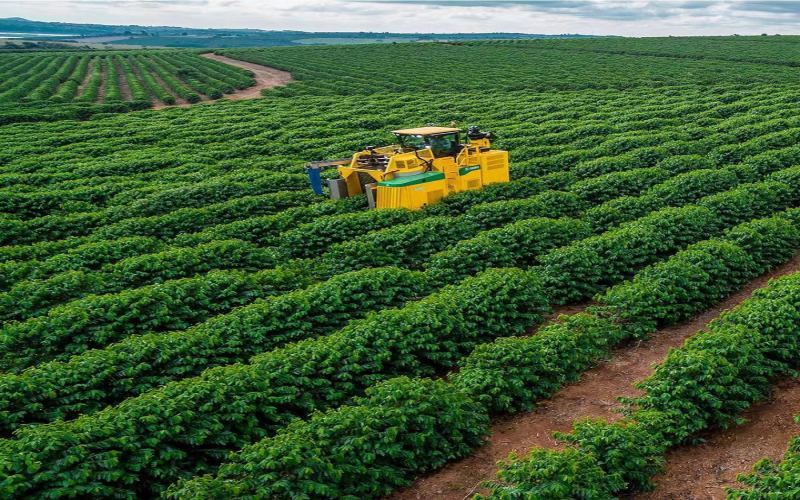
The Past and Present of Brazilian Bourbon Coffee: A Full Analysis of the Variety and Flavor from Introduction to Specialty Producing Regions
As the world's largest coffee producer, Brazil's coffee cultivation history can be traced back to 1727. From its initial introduction to today, where the state of Minas has become a core specialty coffee region, Brazilian coffee has undergone government control, free market opening, and quality reform. This article systematically reviews the variety characteristics and flavor performance of the Brazilian Bourbon variety, and how Front Street Coffee presents the unique charm of Brazilian coffee through two beans from Cerrado and Queen's Estate, along with detailed brewing parameters and flavor descriptions. [more…]
Brazilian Coffee Bean Varieties Analysis, Famous Estates Overview, and Front Street Brand Single-Origin Recommendations Guide
As the world's number one producer of coffee, Brazil is known for offering excellent value, capable of serving as the base for espresso blends or standing alone as a pour-over with balanced flavors. This article will systematically review the history of Brazilian coffee variety improvement, the distribution of major producing regions, differences in processing methods, and the export grading system. It will also introduce two representative products—Front Street Queen Estate and Front Street Dark Cocoa Blend—while providing in-depth analysis of the flavor characteristics of classic origins such as Santos and Cerrado, helping coffee enthusiasts gain a comprehensive understanding of this South American coffee giant. [more…]
Analysis of Brazilian Coffee Bean Flavor Characteristics and Grading System: A Specialty Tasting Guide from Santos to Cerrado and Mogiana
Brazil, as the world's largest producer of Arabica coffee, accounts for about thirty percent of global coffee consumption. Its coffee industry relies not only on its unique geographical and climatic conditions but also on industrialized operational models that have created considerable economic benefits. Brazilian specialty coffee is mainly rooted in regions such as Minas Gerais, São Paulo, Paraná, and Mogiana. Compared with other producing regions in Central and South America, Brazilian coffee-growing areas have lower elevations, flat terrain, a lack of microclimates, and are mostly cultivated without shade, which shapes a unique regional flavor profile of low acidity, prominent nutty and chocolate aromas, balanced acidity and bitterness, and good body. This article will systematically review the grading methods for Brazilian coffee beans—including the defect deduction method, screen size selection, cup quality evaluation, and flavor profile classification—and focus on introducing two specialty beans sold by Front Street Coffee: Cerrado semi-washed Red Bourbon and Mogiana semi-washed Yellow Bourbon. It will also share suggested extraction parameters for pour-over and French press to help coffee enthusiasts gain a comprehensive understanding of the charm of Brazilian coffee. [more…]
A Comprehensive Guide to the Brazilian Cerrado Coffee Bean Grading System, Pour-Over Parameters, and Flavor Characteristics
As the world's largest coffee-producing country, Brazil has a coffee bean grading system that is completely different from common systems like Kenya AA or Yirgacheffe G1. What exactly do the markings NY.2 SC-17/18 FC on the burlap sacks represent? Why has the Cerrado region become a classic representative of Brazilian specialty coffee? From the perspective of Front Street, this article traces the historical development of Brazilian coffee, its producing regions, and the logic behind green bean grading, and provides a detailed introduction to the brewing method and flavor profile of the Brazilian Red Bourbon semi-washed beans in Front Street's everyday drinking bean series, offering a systematic understanding of the unique charm of this major South American coffee nation. [more…]
Brazilian Coffee Brewing Guide: Flavor Analysis of Cerrado and Queen Estate with Detailed Pour-Over Parameters
Brazil, as the world's number one coffee-producing country, may often see its beans appear as blends, but it also has many specialty representatives. This article focuses on Front Street Coffee's two Brazilian single-origin coffees—the Cerrado everyday bean and the Queen Estate Yellow Bourbon—sorting out Brazil's coffee-producing regions' characteristics, variety differences, and the pulped natural processing method, and sharing in detail Front Street's pour-over Brazilian coffee equipment choices, coffee-to-water ratio, water temperature, and three-stage pouring technique, to help you brew a cup of Brazilian coffee full of caramel and nutty sweetness. [more…]
A Complete Analysis of Brazilian Coffee Bean Regions, Varieties, and Grades, with a Detailed Introduction to the Flavor Characteristics of Pour-Over Brazilian Coffee
Brazil, as the world's largest coffee producer, is renowned for coffee beans that are balanced in flavor, low in acidity, and prominently feature nutty and chocolate notes. This article will systematically introduce the main coffee-producing regions of Brazil, with a focus on analyzing the geographical characteristics of representative regions such as Cerrado, Sul de Minas, and Mogiana, as well as the flavor differences among core varieties like Red Bourbon and Yellow Bourbon. It will also provide a detailed explanation of how Brazil's unique pulped natural processing method improves coffee quality, along with hand-brewing parameters and brewing suggestions recommended by Front Street Coffee, helping coffee enthusiasts gain a comprehensive understanding of Brazilian coffee from origin to cup. [more…]
Analysis of Brazilian Coffee Bean Flavor Characteristics and Grade Classification, with Two Single-Origin Pour-Over Recommendations from Front Street Coffee
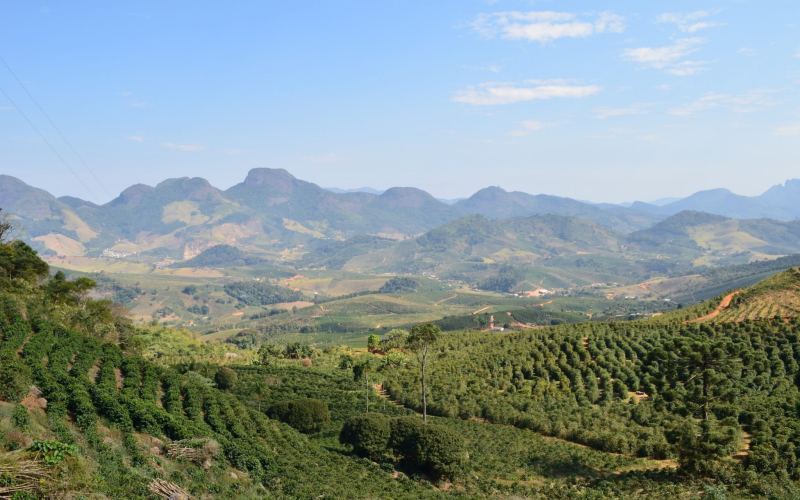
Brazil is the world's largest producer of Arabica coffee. Thanks to its flat terrain and volcanic soil, coffee cultivation and harvesting costs are relatively low, and it also exerts a profound influence on international coffee futures prices. Brazilian coffee beans are mostly grown at altitudes between 400 and 1,600 meters, and their density is lower than that of high-altitude beans from Central America. Their flavor is primarily smooth and balanced, with nutty and chocolate notes, and neither acidity nor bitterness is pronounced. Through cupping comparisons, Front Street Coffee has found that whether as a single-origin pour-over or in an espresso blend, Brazilian beans deliver an experience like a liquid nut pie. This article will outline the variety composition and grading methods of Brazilian coffee, and introduce two Brazilian single-origin beans sold by Front Street Coffee along with their pour-over extraction recipes. [more…]
A Complete Analysis of Brazilian Coffee Flavor Characteristics, Major Producing Regions, and Variety Grading: From Bourbon to Pulped Natural Processing
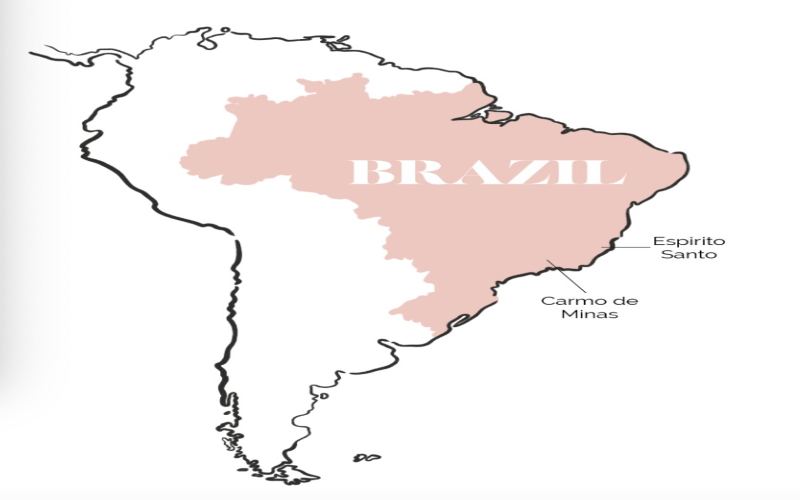
Brazil is one of the top three coffee-producing and exporting countries in the world. Its coffee is known for a balanced, smooth profile with nutty and chocolatey notes. Although it is not as distinctive as Indonesian Mandheling or Ethiopian Yirgacheffe, it represents a cup of "authentic coffee." From the perspective of Front Street Coffee, this article systematically reviews Brazil's main coffee varieties (Bourbon, Mundo Novo, Catuai), four core producing regions (Minas Gerais, Sao Paulo, Bahia, Espirito Santo), its unique pulped natural processing method, and the rise of specialty coffees such as Queen's Farm. It also analyzes how Brazil's flat terrain affects flavor and compares it with high-altitude Colombian coffee. Whether you are a coffee enthusiast or a professional in the industry, you can gain an understanding of the underlying logic and quality potential of Brazilian coffee. [more…]
Brazilian Coffee Bean Flavor and Brewing Guide: Varieties, Grading, Producing Regions, Processing Methods, and Testing of Two Front Street Coffee Beans
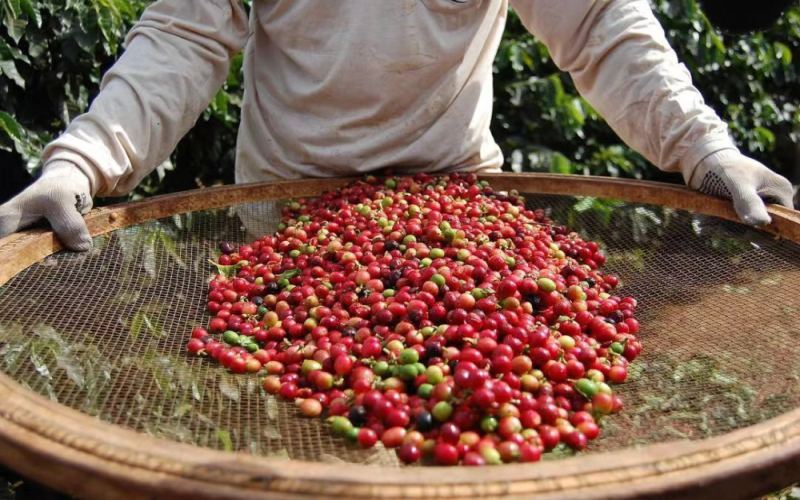
Brazil is the world's largest coffee producer, offering both large-scale commercial beans and COE specialty coffees. Front Street Coffee currently carries only two Brazilian beans in its stores, reflecting a deliberate trade-off in pursuit of flavor distinctiveness. This article will start with the producing regions, varieties, processing methods, and grading systems to give you a comprehensive view of Brazilian coffee, and will also include detailed information and brewing parameters for Front Street's two Brazilian coffees—Cerrado Red Bourbon and Queen's Farm Natural Yellow Bourbon—to help you understand where Brazilian coffee's stable sweetness and nutty, chocolatey notes come from. [more…]
Analysis of the Evolution of Brazilian Coffee Regions and the Pulped Natural Process, Plus Brewing Parameters for Queen Farm's Yellow Bourbon
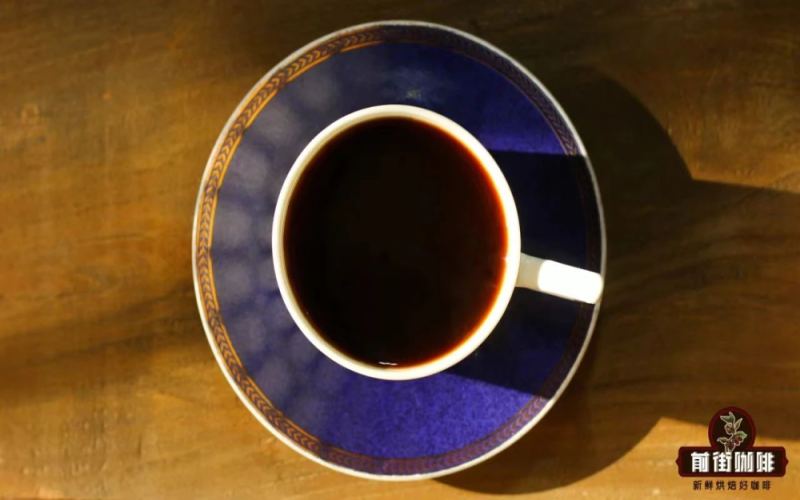
Brazil, as the world's largest coffee-producing country, has profoundly influenced the global coffee landscape through the development of its producing regions, the evolution of processing methods, and the cultivation of varieties. From the perspective of Front Street Coffee, this article traces the historical thread of Brazilian coffee from natural processing to the uniquely invented semi-washed (pulped natural) method, analyzes the terroir characteristics of three major specialty regions—Sul de Minas, Cerrado, and Mogiana—and provides a detailed introduction to major varieties such as Red Bourbon, Yellow Bourbon, Mundo Novo, and Yellow Catuai. At the same time, using Queen's Farm Yellow Bourbon as an example, it presents Front Street's recommended pour-over extraction parameters and three-stage pouring technique, helping coffee enthusiasts gain a more comprehensive understanding of the nutty flavor and full-bodied mouthfeel of Brazilian coffee. [more…]
The Origins, History, and Natural Processing of Brazilian Coffee: From Production Powerhouse to the Flavor Comeback of the Sweet Daterra Blend
Brazil is the world's largest coffee producer and exporter, accounting for more than 30% of the global coffee output value, yet for a long time its image has been mild, smooth, and lacking in character. Starting from the history and culture of Brazilian coffee, this article sorts out the evolution of its topography and climate, variety characteristics, and processing methods, focusing on how the quality revolution of the 1990s gave rise to the pulped natural method, and how Daterra Estate broke the stereotype of Brazilian coffee as mediocre through technology-driven management and its "Sweet Collection." The article also retains the "Front Street" brand recommendations and product information, making it suitable for coffee enthusiasts who want an in-depth understanding of the flavor code of Brazilian coffee. [more…]
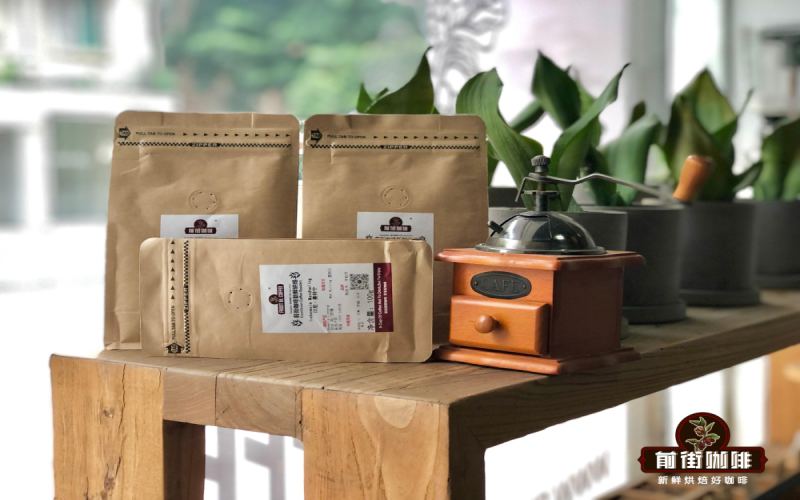
A Complete Guide to Brazilian Coffee Regions: From Red Bourbon to Yellow Bourbon, Flavor Profiles and Processing Methods Explained
Brazil is the world's largest coffee producer, and its coffee beans are known for their smooth mouthfeel and nutty notes. This article begins with the historical origins of Brazilian coffee, traces how the Bourbon variety replaced Typica to become the mainstay, and highlights two Brazilian Bourbon coffees on Front Street Coffee's bean list—the Red Bourbon from the Cerrado region of Minas Gerais and the Yellow Bourbon from Queen's Farm in São Paulo State. It also provides a detailed analysis of the differences between the pulped natural and natural processing methods, the purpose of medium-dark roasting, and brewing recommendations for the KONO dripper, giving you a comprehensive understanding of the flavor code of Brazilian specialty coffee. [more…]
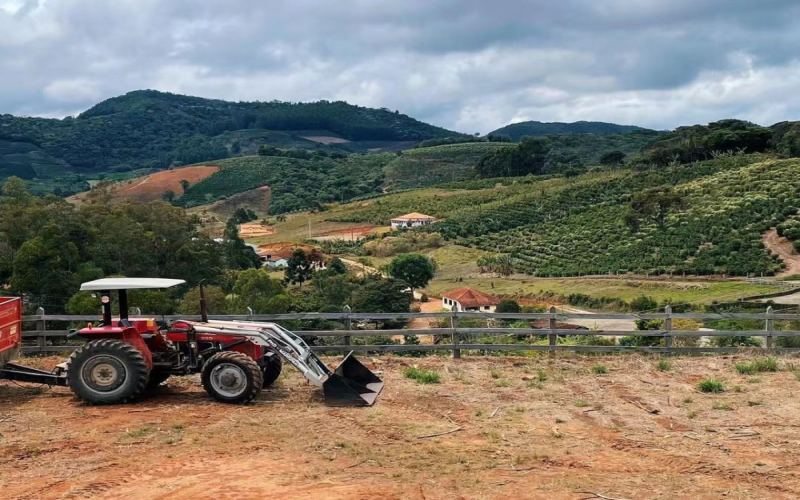
A Full Analysis of Brazilian Coffee Beans: Flavor Characteristics, Major Producing Regions, the Pulped Natural Process, and Brewing Suggestions
Brazil is the world's largest producer of Arabica coffee, supplying both large volumes of commercial beans and specialty coffee. Because of its flat terrain and lack of microclimates, Brazilian beans typically have lower acidity, with flavors dominated by nuts, caramel, and chocolate. After cupping many Brazilian beans, Front Street Coffee often uses a medium-dark roast to highlight their balanced, full-bodied character. This article will systematically introduce the characteristics of Brazilian coffee beans from aspects such as the climate of the producing region, specialty-producing areas, representative bean varieties, the pulped natural processing method, and pour-over extraction parameters, while retaining Front Street Coffee's product and brewing recommendations to help coffee lovers understand the flavor logic of Brazilian coffee more comprehensively. [more…]
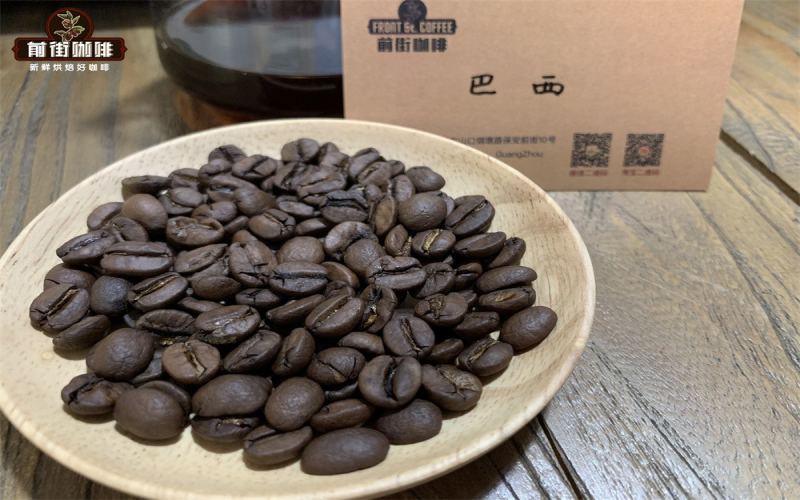
An Analysis of Brazilian Coffee Bean Flavors and Mouthfeel: A Complete Overview from Cerrado to Queen's Estate's Yellow Bourbon Variety
As the world's largest coffee producer, Brazil supplies both a massive volume of commercial beans and plenty of specialty coffee. Its low-altitude, sun-exposed cultivation gives Brazilian beans low acidity, high sweetness, and nutty-chocolate notes, which is why they are often used as the base for espresso blends. Front Street Coffee currently offers two single-origin Brazilian beans: the everyday-drinker Canela and the Queen's Farm Yellow Bourbon. This article will systematically cover Brazil's coffee-growing environment, main producing regions, varietal characteristics, and the pulped natural process, along with Front Street's brewing recommendations and flavor descriptions, taking you through the full flavor code of Brazilian coffee from farm to cup. [more…]
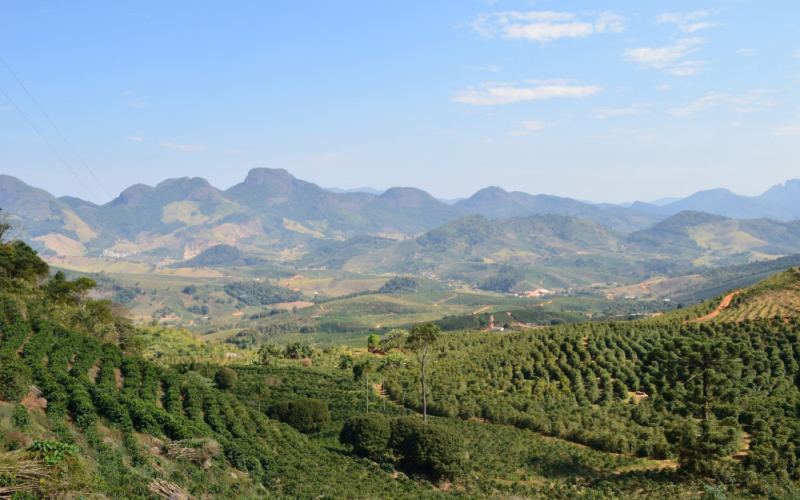
A Complete Analysis of the Origins and Regional Flavors of Brazilian Coffee Beans: From Introduction History to Cerrado Specialty
As the world's largest coffee producer, Brazil's coffee history can be traced back to 1720, when it was introduced from French Guiana. This article traces the evolution of Brazilian coffee varieties from Typica to Bourbon and Mundo Novo, interprets the terroir conditions of specialty-producing regions such as Cerrado, and explains how natural and pulped natural processing methods shape the balanced, low-acid nutty and chocolatey profile of Brazilian beans. It also introduces the selection logic behind Front Street Coffee's Brazilian everyday beans and Queen's Farm, helping enthusiasts build a systematic understanding of Brazilian Arabica. [more…]